What’s Actually Happening in the Huawei Trial?
If you’ve bought a smartphone or signed up for a phone plan lately, you might wonder why a courtroom in Brooklyn matters to you. After more than two months of testimony, jurors are about to decide whether Huawei, one of the world’s biggest telecom companies, built its business through a 20-year scheme of theft and lies. As a consumer tech advisor, I’m here to break down the legal noise into plain English and tell you what it could mean for your next gadget purchase.
The Charges, Simplified
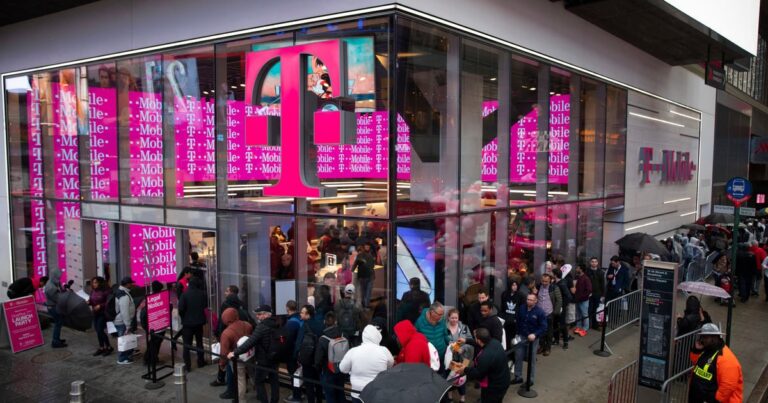
Prosecutors accuse Huawei of two main things. First, they say the company encouraged employees to swipe trade secrets from American rivals like T-Mobile, Cisco, and Quintel. One piece of evidence that stuck with the jury was a video of an employee allegedly snapping a piece off T-Mobile’s phone-testing robot, nicknamed “Tappy,” and putting it in a backpack.
Second, the government says Huawei lied to banks such as HSBC about its work in Iran, hiding ties to a subsidiary called Skycom. Prosecutors claim those networks were used by the Iranian government to surveil citizens. At the center is Huawei CFO Meng Wanzhou, who signed a 2021 agreement admitting she misled HSBC executives.
Huawei’s Defense: “We Cleaned Up Our Act”
Huawei doesn’t deny that some incidents happened. Instead, its lawyers argue they were isolated cases involving low-level employees who were fired. The company says it introduced stricter policies, recalled routers built with Cisco technology, and offered free replacements. Defense attorney Brian Heberlig told jurors that no compliance program can guarantee perfection, and that the government cherry-picked stories to fit a criminal narrative.
What This Means for Everyday Tech Buyers
Huawei operates in more than 170 countries and holds over 165,000 active patents covering everything from 5G networks to cloud and AI. If you use a Huawei phone or networking gear, the trial itself won’t suddenly make your device stop working. But the outcome could affect how easily Huawei products are sold, serviced, or supported in the U.S. and allied markets.
Here is a quick practical breakdown:
- Pros: Huawei hardware is often competitively priced and packed with features, especially in cameras and battery life.
- Cons: Ongoing legal and trade restrictions can make software updates, app availability, and customer support more complicated depending on where you live.
If you’re shopping for a new phone, it’s worth checking whether the model you want supports the apps and carrier bands you need, regardless of the brand.
For more context on how trade secrets shape the tech industry, see this overview from TechCrunch, or explore Wired’s coverage of global telecom competition at Wired.
Frequently Asked Questions
Q: Will my Huawei phone stop working if the company is found guilty?
A: Not automatically. Existing devices should keep functioning, but future software updates and warranty support could become harder to get depending on U.S. regulations.
Q: What is “Tappy,” and why does it matter?
A: Tappy is a robot T-Mobile used to test phone touch screens. Prosecutors say a Huawei employee took a piece of it, which they point to as evidence of trade-secret theft.
Q: Does this trial affect 5G networks?
A: It could. Huawei is a major 5G equipment supplier worldwide, and legal findings may influence whether governments allow its gear in critical infrastructure.
Read more: Why Gadgets Are Getting Weird Again (And Why That Is a Good Thing)
Read more: This Farming Game Wants You Off Your Phone
Read more: Why That Tech Outage Wasn’t a Cyberattack: A Friendly Guide to Recent Glitches