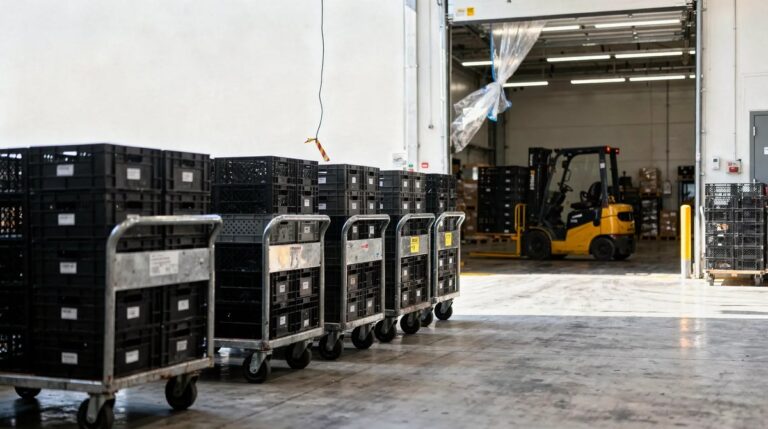
If you’ve recently shopped for AI server hardware, you might have noticed something frustrating: the price on your quote isn’t always the price you pay. Major manufacturers like Dell, HPE, Lenovo, and Supermicro are reportedly adding 25% to 45% to the original contract price months after deals are signed. A strained supply chain and surging demand for AI infrastructure have given companies room to push prices higher, and many buyers are absorbing the increases just to keep their data center projects on track. As TechCrunch highlights, the AI infrastructure boom is reshaping procurement challenges across industries.
How This Affects Buyers
From hyperscale cloud operators to algorithmic trading firms, the ripple effects are real. Companies like Jane Street and Optiver have felt the squeeze, and in one high-profile case, UK-based XTX Markets sued Dell after the manufacturer demanded an additional $62 million to $70 million on a previously fixed-price deal. The reason cited? Rising memory chip costs that Dell said it couldn’t absorb elsewhere.
What You Can Do
- Negotiate price-lock clauses upfront in your contract to guard against mid-project hikes.
- Request clear delivery timelines that tie price finalization to specific milestones.
- Shop around – not all manufacturers are implementing the same aggressive pricing tactics.
Frequently Asked Questions
- Q: Can I refuse a price increase after signing?
- A: It depends on your contract terms. Many agreements include vague market adjustment clauses, but some like XTX Markets’ deal explicitly paid for price certainty upfront.
- Q: Are price increases limited to AI servers?
- A: While AI servers are the hot target, the trend is spreading to general data center hardware as chip shortages persist.
Read more: AI Datacenters on the Rise: Why Your Cloud Could Get Greener (or Not)
Read more: The Chip Showdown: US vs China – What It Means for Your Gadgets
Read more: Why the AI Boom is Sending Singapore’s Economy Into Overdrive