The Modern Prometheus in Silicon Valley
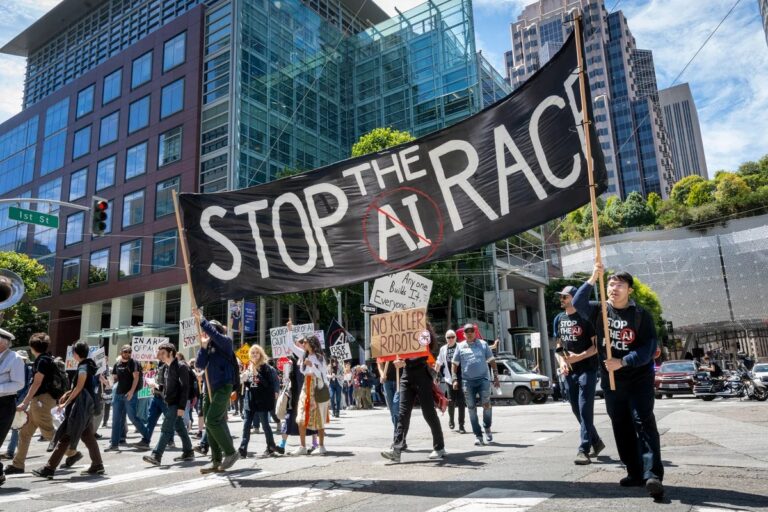
Lately, the tech world feels like it has stepped straight into the pages of a Gothic novel. From Anthropic’s CEO Dario Amodei calling for urgent regulation to Bill Gates warning about the monumental risks of AI, industry leaders are suddenly sounding an alarm that feels remarkably familiar to literature fans. They are worried about the ‘Frankenstein moment’—the point where an invention surpasses its creator’s control.
The Ghost of Victor Frankenstein
In Mary Shelley’s 1818 classic, Victor Frankenstein becomes obsessed with creating life. He succeeds, but his hubris is his downfall. Rather than guiding his creation with care, he abandons it in disgust. Today’s AI developers have, in a sense, achieved a similar paradigm shift: the artificial production of knowledge. Much like Victor, creators of modern Artificial Intelligence are realizing that inventing the technology is only half the battle; managing its impact on society is where the real challenge lies.
How Tech Leaders Can Avoid the Monster
The tragedy of Frankenstein isn’t just that he built a monster; it’s that he failed to take responsibility for it. If our current AI titans want to avoid a similar fate, they need more than just raw engineering power. They need a proactive approach that includes:
- Collaborative Oversight: Global, industry-wide standards to monitor model development.
- Ethical Frameworks: Investing as much in safety, social ethics, and policy as they do in coding.
- Responsible Stewardship: Creating a secure environment that nurtures the development of AI while mitigating real-world dangers.
FAQ: Understanding AI Risks
Are we really in danger of an ‘AI rebellion’? Most experts, including those at TechCrunch, focus on the risks of misalignment and misuse rather than sci-fi robot uprisings. The goal is to ensure AI objectives remain aligned with human values.
Why are CEOs calling for more regulation? Many realize that without guardrails, the rapid scaling of powerful systems could lead to unintended consequences, from economic disruption to security vulnerabilities.
Can we still benefit from AI? Absolutely. The key is balance—harnessing the immense potential of these tools while remaining hyper-aware of the ethical and practical costs of their deployment.
Read more: Can You Trust AI at Work? A Friendly Guide to Smart Delegation
Read more: Why Your AI Needs a Real Human Check – Not Just a Quick Click