Why Mercedes-Benz’s New AI Platform Matters to You
Imagine taking your car to the dealer and getting it back faster because a smart computer helped the technicians spot the problem in seconds. That’s the promise of Mercedes‑Benz’s latest partnership with Arena Physica.
What Is the Atlas Platform?
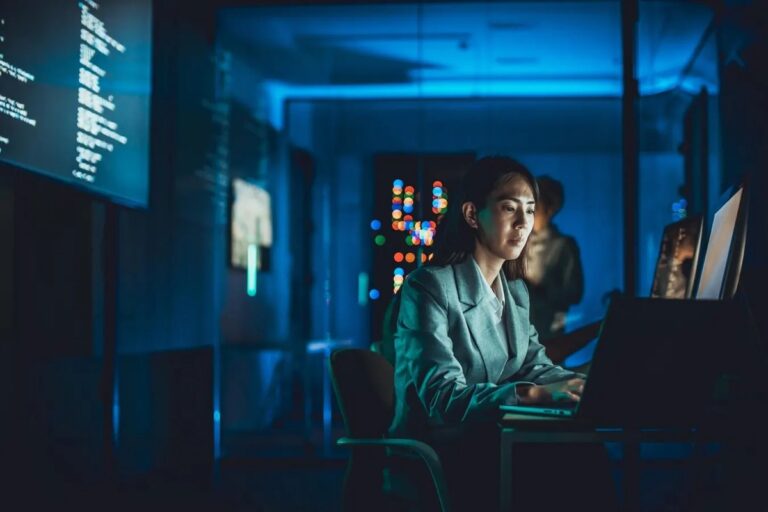
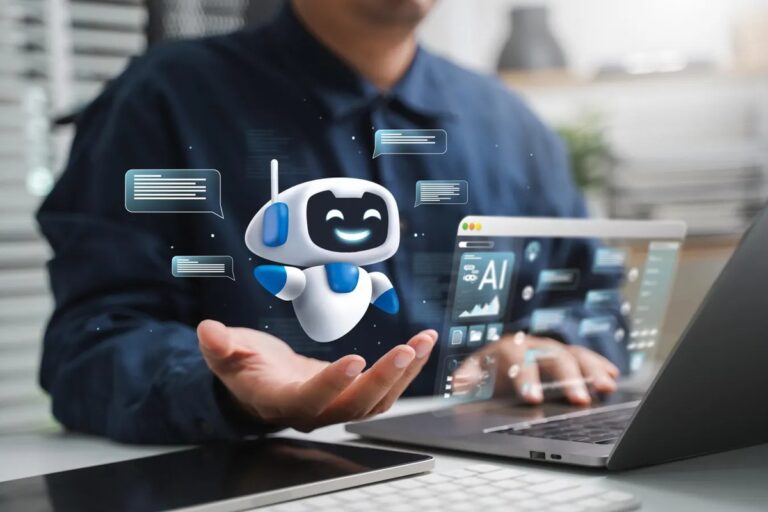
Atlas is a physics‑informed AI system that runs on the factory floor. It uses AI agents to read a vehicle’s electrical and electronic (E/E) data, compare it against a massive library of fault patterns, and suggest the most likely cause.
- Physics‑informed computing means the AI respects real‑world electrical laws, not just statistical guesses.
- Speed boost: Mercedes reports 20‑30% faster repair test cycles.
- Scalability: The same platform can be rolled out to plants worldwide.
Practical Pros and Cons for Car Owners
Pros
- Quicker turnaround times at service centers.
- Fewer “wait for parts” calls because the root cause is identified earlier.
- Potentially lower labor costs passed on to you.
Cons
- Initial rollout may cause temporary learning curves for technicians.
- Heavy reliance on AI could mask underlying issues if the model isn’t updated.
How It Works in Simple Terms
Think of the car’s E/E system as a complex puzzle. Atlas scans the puzzle pieces (sensor readings, voltage levels, error codes) and instantly matches them to known “picture‑pieces” of faults. It then tells the technician, “Look here – the likely culprit is the battery management module.”
For a deeper dive into physics‑informed AI, see Wired’s explanation.
FAQ
- Will this technology affect the price of my car? Not directly. Any savings from faster repairs are more likely to show up in service fees, not the sticker price.
- Is my data safe? The platform runs on isolated factory networks, so personal driving data stays private.
- Can the AI replace human technicians? No. It’s a tool that helps technicians work smarter, not a replacement.
Read more: Amazon Prime Air Drone Crash: Is Same Day Delivery Worth the Risk?
Read more: How AI is Fixing the Blurry World of Medical Imaging
Read more: Why Your AI Needs a Real Human Check – Not Just a Quick Click