What Happened?
On the evening of November 21, air‑raid sirens wailed over Russia’s Kaliningrad exclave and Russian air‑defense units opened fire. Social‑media channels quickly claimed a Ukrainian drone strike had hit the Baltic Fleet base in Baltiysk. Lithuania’s Foreign Minister Kęstutis Budrys fired back on X, stating the country “categorically rejects false claims” and never authorized its airspace for attacks on Russia. Independent outlets such as AP and Newsweek could not verify any damage, and Lithuania’s own crisis center reported no drone detections.
Why the Drone Talk Matters to You
Drones are no longer just hobbyist toys—they’re a core part of modern surveillance, delivery, and, unfortunately, conflict. When a NATO‑border nation like Lithuania gets pulled into a drone‑attack narrative, it highlights how fragile the line between civilian and military airspace has become. For everyday users, that means the same detection and counter‑drone tech that protects borders is trickling down to consumer products like home security cameras and airport safety systems.
How Drone Detection Works (In Plain English)
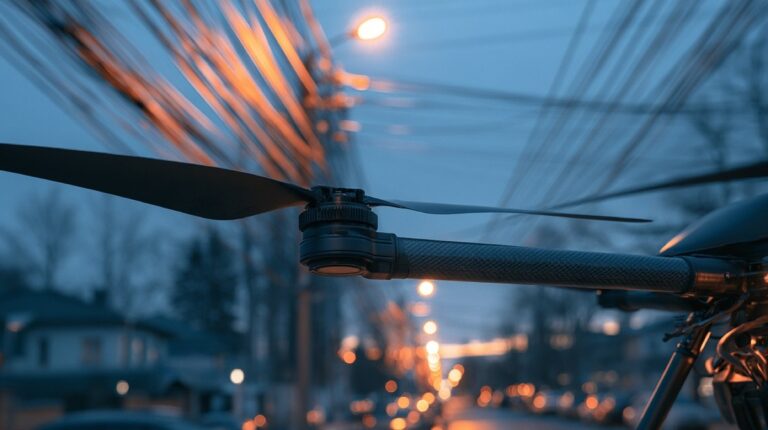
Countries rely on a mix of radar, radio‑frequency (RF) scanners, and optical cameras to spot unmanned aircraft. Think of it like a high‑tech version of the “find my phone” feature: the system listens for the drone’s control signals, watches for its radar signature, and can even track its visual silhouette. Wired’s deep dive explains how these layers work together to give a clear picture of the sky.
- Radar: Detects moving objects, but small drones can fly under the radar’s minimum size threshold.
- RF Sensors: Pick up the radio link between pilot and drone; useful for identifying the operator’s location.
- Optical/Infrared Cameras: Provide visual confirmation, especially at night.
Pros and Cons of Current Air‑Defense Tech
- Pros: Multi‑sensor fusion reduces false alarms; systems can cue interceptors or jammers automatically.
- Cons: High cost, complex integration, and sophisticated drones can use low‑probability‑of‑intercept signals to evade detection. TechCrunch notes that even advanced militaries struggle with swarms of cheap commercial drones.
FAQ
- Did Lithuania actually launch a drone? No. Lithuania’s foreign minister said it never authorized its airspace for attacks on Russia.
- Was there any damage in Kaliningrad? No independent confirmation; Russian sources claim strikes but evidence is unverified.
- How do countries detect drones? They use radar, radio‑frequency sensors, and visual tracking—similar to the tech in consumer drones.
Read more: Google DeepMind Says Superhuman AI Is Coming Fast – What You Need to Know
Read more: Chip Stocks Just Had Their Worst Week Since 2001: What It Means for Your Tech Portfolio