The Mirage of Technical Expertise
In 2019, while at an AI workshop in D.C., I got an early look at OpenAI’s GPT-2. At the time, it was a fascinating research project. But as I watched the demo, I couldn’t help but think about the potential for massive misinformation campaigns. It reminded me of my time in the Air Force, where I watched technologies like the Predator drone transform from simple surveillance tools into something much more complex and consequential than their creators originally intended.
Today, we face a recurring historical paradox: the people who build groundbreaking technology are rarely the best people to judge its social or political impact. Whether it is Albert Einstein’s struggle with the geopolitical implications of the atomic age or modern tech moguls attempting to navigate global diplomacy, history shows us that technical brilliance does not guarantee political wisdom.
The Silicon Valley Blind Spot
We’ve seen this pattern play out repeatedly. Tech leaders often treat societal issues like bugs in software—something to be patched or optimized. However, issues like political polarization, national security, and mental health are not just lines of code; they are complex human problems.
- Technical vs. Political: Being able to build a large language model does not confer the expertise required to manage its impact on global elections.
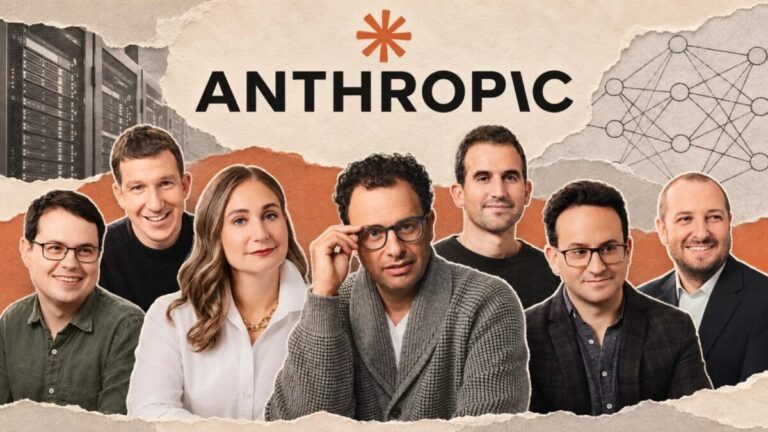
- The Control Myth: As we see with companies like Anthropic partnering with government entities like the Department of Defense, even companies that prioritize safety often lose control of how their tools are eventually deployed in the field.
- The Skepticism Crisis: Interestingly, the biggest risk today isn’t that people are fooled by AI content, but that they stop trusting any information at all. The proliferation of AI is changing the landscape of human truth.
For more on how these shifts happen, check out the latest research on AI model transparency and safety.
FAQ: Understanding the AI Frontier
Q: Does building powerful AI make a company an expert in safety?
A: Not necessarily. Technical proficiency is a different skill set than policy analysis or ethical oversight. The two domains often require different, sometimes conflicting, approaches.
Q: Why is misinformation a bigger concern now than it was in 2019?
A: Because AI tools have become so easy to access, the volume of synthetic content has exploded. This creates a “crying wolf” effect, where society begins to doubt legitimate news because the market is flooded with AI-generated alternatives.
Q: Can legislation catch up to these rapid innovations?
A: It is difficult. Government bodies are currently struggling to force tech firms to disclose how their tools are being used by military and government customers, highlighting a gap between private innovation and public oversight.
Read more: Why the AI Speed Limit Will Likely Never Happen
Read more: Can We Keep AI Contained? Anthropic Wants to Know